Do the downturned lines bracketing your mouth look deeper when you talk or frown, and stay visible even when your face is at rest? That pattern tells us a lot about whether Botox, fillers, or a combination will give you the most natural fix for marionette lines.
I have treated hundreds of lower-face cases where patients asked for “Botox for marionette lines” and left happiest after a tailored plan that respected anatomy, movement, and skin quality. The short answer is this: Botox can soften the pull from the muscles that drag the corners of the mouth downward, but it cannot fill the groove itself. When the fold is carved in, fillers, collagen stimulators, or structural support find Morristown botox outperform Botox on their own. The best result often blends both, with careful dosing to avoid a frozen, heavy, or asymmetric smile.
What marionette lines actually are
Marionette lines run from the mouth corners down toward the jawline. They form from a mix of factors: repeated pull from depressor muscles, volume loss in the midface and perioral region, and skin laxity. People often lump them in with nasolabial folds, but they are distinct. The marionette area involves three key issues that guide treatment choice:
- Muscle activity. The depressor anguli oris (DAO) pulls the mouth corners down. Overactive DAOs deepen a sad or stern look. A hyperactive mentalis can also bunch the chin and contribute to a downturn. This is the part Botox can help. Volume and support. Fat pads shrink with age, the jawline remodels, and the ligamentous support near the mouth loosens. That creates a real crease. This is filler territory. Skin quality. Sun damage, smoking, and collagen loss etch fine lines around the mouth and reduce elasticity. This can call for biostimulators, energy-based tightening, or resurfacing alongside injectables.
Understanding your dominant driver is the difference between a subtle lift and a disappointing tweak.
When Botox helps marionette lines
Botox, Dysport, Xeomin, and Jeuveau relax muscles. For marionette lines, the main target is the DAO. A small dose here weakens the downward pull on the mouth corners. The result is a gentler expression at rest and a reduction in the dynamic downturn when you talk or emote. If your lines look worse when you make a “sad mouth” or when you tense your chin, Botox injections can be worthwhile.
I use the DAO test in the mirror during a Botox consultation: press lightly about 1 cm lateral and slightly inferior to the oral commissure, then try to pull your mouth corners down. If that area tenses and cords pop, your DAO is active. Patients with strong DAO activity often see a meaningful change with modest Botox units. People with deep, fixed grooves and minimal DAO activity usually need filler first.
Morristown NJ botoxIn experienced hands, Botox for a downturned mouth can also be paired with a tiny mentalis dose if chin dimpling is prominent, which smooths the “pebbly” chin and reduces upward chin pull that accentuates marionette shadows.
When fillers are better
If the line is visible even when you are fully relaxed, that is a static crease. Botox cannot fill a void. Hyaluronic acid fillers are the workhorse here. Strategic placement along the marionette groove and prejowl sulcus can soften the fold and restore a smoother transition from mouth to jaw.
Choice of filler matters. Softer gels with good flexibility suit thin-skinned patients who want a natural look while they talk and smile. More robust gels can support a deeper fold or a drifted mouth corner. In long-standing folds, layering is common: a firmer filler placed deeper for structure, followed by a softer filler more superficially to blur the crease. In some cases, subtle midface support lifts the mouth corner indirectly, reducing the need to chase the line itself.
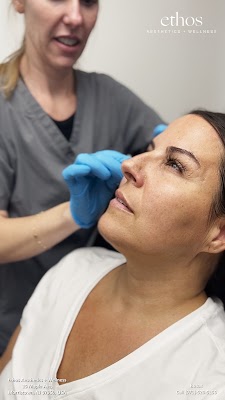
Collagen stimulators can help if the skin is lax and crepey. Biostimulatory agents nudge your own collagen to thicken the area, useful for patients who prefer gradual, long-lasting improvement. These are not quick fixes and require careful selection to avoid nodules near dynamic mouth zones.
The combination approach that works most often
In practice, the lower face rarely rewards single-tool thinking. The most reliable approach for marionette lines blends techniques:
- Light Botox in the DAO to release the downward pull. Filler to efface the groove and support the oral commissure. Optional mentalis Botox if chin dimpling or puckering contributes. Occasional midface or chin/jawline filler to restore balance, because lifting the scaffolding often softens the fold more naturally than packing product into the crease.
I often sequence treatment this way: start with filler for the structural problem so you can immediately see where the fold stands. Add micro-doses of Botox at follow-up, about 2 weeks later, to fine-tune the mouth corner dynamics once the filler settles. This sequence avoids over-relaxing the DAO upfront, which can mask where volume is truly needed.
What realistic Botox results look like for marionette lines
Expect modest but meaningful changes with Botox alone: the corners rest a few degrees higher, the “sad mouth” expression softens, and makeup no longer collects as harshly at the commissure. The effect looks best on faces whose lines are driven by expression changes and mild early folds rather than deep etched grooves.
Clients often ask for Botox before and after photos. I keep examples that mirror their anatomy and age so expectations stay grounded. Commonly, you will see a 10 to 30 percent improvement from Botox injections alone in the lower face. That bump grows when filler is added.
Risks and what can go wrong
The lower face is unforgiving. Overdo DAO Botox, and you can weaken the muscle more than intended. That can give a slack, asymmetric smile or difficulty controlling the corner when eating or talking. Under-dosing, and you do not see a visible lift. Doses tend to be small, often in the range of 2 to 5 units per side for Botox, adjusted by product. Dysport units differ numerically, but the effect is matched by experience.
Filler pitfalls are different. Too much or too superficial, and you get lumpiness, a stiff smile, or a pillow effect around the mouth. A good injector respects the natural subcutaneous planes, avoids product directly at the wet-dry border of the lip, and tests the corner in motion before placing the final threads.
Vascular risk is real in the perioral region. Choosing a Botox provider trained in facial anatomy reduces that risk. For fillers, cannula techniques and aspiration checks can add safety, though neither replaces knowledge of danger zones. Bruising and swelling are common for a few days. Nerve injury is rare but possible if technique is poor.
How long treatments last
Botox longevity in the DAO generally runs 3 to 4 months, sometimes shorter in very expressive faces. You can stretch results with consistent maintenance, because muscles adapt to a lower baseline. Fillers in the marionette area often last 9 to 15 months for hyaluronic acid, with variation by product, placement depth, and your metabolism. Biostimulators have a slower onset and can last a year or more once collagen builds.
Patients frequently ask how long does Botox last in different areas. Forehead lines and crow’s feet usually sit in that same 3 to 4 month window. Masseter Botox for jawline slimming can last longer, often 4 to 6 months, because those muscles are bigger and adapt differently. Lower-face dosing and timing must be conservative to protect your natural smile.
Costs, deals, and what “cheap” can really mean
Botox prices vary by region, injector experience, and clinic overhead. In the United States, Botox cost often falls between $10 and $20 per unit, with DAO treatments rarely needing high unit counts. Filler pricing is per syringe, frequently $600 to $900 or more for reputable brands. Cheap Botox and bargain fillers can be dangerous. Low Botox prices sometimes signal diluted product or inexperienced providers. Discounted Botox deals and Botox specials can be fine if offered by a trusted clinic that maintains product integrity and injects safely. If something feels off during your Botox appointment, ask to see the vial, the lot number, and the reconstitution details.
I advise patients to think in total plan costs rather than headline numbers. Some faces need a half syringe to touch the fold, others need layered support or a chin tweak. A budget-minded patient might stage treatments: start with 1 syringe and micro-dose Botox, reassess in 2 weeks, then add only what the face truly needs.
Selecting the right injector
Lower-face work is advanced. A skilled Botox injector will study your expressions, palpate the DAO, and watch your smile, speech, and bite. Training and repetition matter. Look for a Botox specialist who is comfortable explaining why they recommend Botox vs fillers for your case. Ask about their complication protocol, and whether they have hyaluronidase on hand for filler emergencies.
Reviews can guide you, but prioritize before and after photos that match your age, skin type, and line depth. A top rated Botox provider earns that status by turning away requests when the wrong tool is being asked to do the job. During a Botox consultation, you should hear a clear plan for sequence, dosage ranges, and follow-up timing.
Techniques that make the difference
DAO injections sit superficial and lateral to the commissure, avoiding diffusion into the depressor labii inferioris which can cause lip incompetence. I favor conservative micro-droplets placed bilaterally, then reassess symmetry at two weeks. For mentalis, shallow midline or paired points reduce chin dimpling without over-relaxing and causing a heavy chin.
For filler, cannula entry from the lateral jawline can thread gently along the marionette groove to limit bruising, especially in patients on aspirin. Needle placement is precise but carries more vascular risk. Depth decisions matter: deep at the mandibular cutaneous ligament for lift, then more superficial feathering to blur. Test speech and smiling after each small deposit. If you notice distortion or stiffness, stop and massage rather than pushing more product.
The role of other modalities
When skin laxity and etched perioral lines are prominent, injectables alone underwhelm. Radiofrequency microneedling or ultrasound tightening can improve jawline firmness, which supports the lower face and softens marionette shadows. Fractional laser or light peels help smoker’s lines and texture around the mouth. Skincare with retinoids, peptides, and diligent sunscreen protects your investment.
For patients with significant masseter hypertrophy or bruxism, Botox for masseter muscles can relax jaw clenching and subtly refine the lower face contour. While this is separate from marionette lines, improving jawline width and tension can harmonize the area and reduce overactivity that pulls tissue south. Grinding less can also improve filler longevity.
Pain, downtime, and aftercare
Well-performed injections are quick. Most people rate Botox pain as a two or three out of ten. A topical Botox numbing cream helps if you are sensitive, but the lower face often needs only cold packs and a steady hand. Filler can sting more because of the gel volume. Lidocaine in the product and a nerve block for sensitive patients keep sessions tolerable. Plan for 2 to 3 days of mild swelling and possible pinpoint bruises.
Aftercare is simple: no heavy exercise for 24 hours, no deep massages to the face, avoid compressing the area when you sleep the first night. For Botox aftercare, avoid rubbing the sites and keep your head upright for a few hours. Makeup the next day is generally fine. Call your injector if you see marked asymmetry, smile changes that feel unnatural after two weeks, or a blanching skin patch with severe pain during filler sessions, which needs urgent attention.
Edge cases I see in practice
Some patients carry a strong genetic downturn at the corners even in their twenties. For them, small DAO Botox doses every few months can be a preventative Botox strategy that keeps the resting frown from etching in. They rarely need filler until later.
Smokers and people with significant photoaging often have crisscrossed perioral lines that make filler look lumpy if you chase every line. These cases do better with conservative filler for the fold, a little Botox for the DAO and mentalis, plus resurfacing to address the skin canvas itself.
Faces with significant bone loss at the chin and mandibular angle need structural filler support at the chin and prejowl to fix the cause, not just the symptom. Treating only the crease becomes a game of whack-a-mole.
Patients with TMJ issues and jaw clenching who receive Botox for TMJ sometimes notice a mild improvement in marionette heaviness as the lower face relaxes, but this is not a primary treatment for the fold.
Botox alternatives and product nuances
Brand choice matters less than injector skill, but there are subtle differences. Dysport can diffuse slightly wider, which some injectors like for the DAO in experienced hands. Xeomin has no complexing proteins, helpful for patients concerned about antibody formation after repeated treatments. Jeuveau behaves similarly to Botox Cosmetic for most faces with comparable longevity. “Botox vs Dysport” questions come up often, but switching brands does not solve a bad plan. Dose, placement, and patient selection do.
As for Botox vs fillers, think function vs form. Botox manipulates motion. Fillers rebuild shape. For marionette lines, form dominates once the crease is etched in.
Safety and ethics around offers, parties, and packages
Botox parties and group Botox discounts can be tempting. My professional view: social settings distract from anatomy and consent, and lighting is often poor. If you join one, know the injector well and confirm you will be assessed in proper seating with good light. Clinics that offer Botox membership, Botox packages, or financing can make maintenance affordable, but safety and sterility standards should never be compromised for a “deal.”
Insurance rarely covers cosmetic Botox. Medical Botox is a different category for conditions like chronic migraines or excessive sweating, but that does not encompass lower-face cosmetic work. Payment plans are fine if you understand the maintenance rhythm. Budget for 3 to 4 Botox sessions a year, and filler touch-ups roughly annually depending on the product.
A practical way to decide: quick self-assessment
Use good daylight, a hand mirror, and your phone camera. First, relax your face and take a neutral photo. Second, make a gentle sad-mouth expression and slightly tense your chin. If the fold deepens dramatically during movement but looks mild at rest, Botox injections to the DAO and perhaps the mentalis will likely help, with or without a small amount of filler. If the line looks carved in both at rest and in motion, plan on filler-centric treatment, then layer light Botox to refine the mouth corner position.
Now say a few lines, smile, and read aloud. Watch for distortion or tugging patterns. Dynamic assessment predicts how filler will behave in real life, not just in a still photo. Bring these photos to your Botox clinic so your injector can see exactly what you see.
What a good treatment plan looks like, start to finish
A thoughtful Botox doctor will map your lower face in stages. At the first visit, they should measure your DAO pull, check for chin dimpling, test your bite, and examine skin quality. They will discuss units, not just “a little here.” Expect a plan that notes Botox dosage ranges, likely filler volumes, and an order of operations. You should hear realistic timelines for Botox results to appear, usually 3 to 7 days, with a full take at about 2 weeks. Filler results are immediate but settle over a week or two as swelling resolves.
" width="560" height="315" frameborder="0" allowfullscreen="" >
Follow-up is not optional. A two-week check allows a Botox touch up for symmetry if one corner still pulls more, and it allows the injector to evaluate if a second layer of filler is warranted. That restraint prevents overfilling on day one.
A brief word on expectations
Marionette lines sit in a high-motion zone. You will still smile, speak, and emote, and your tissues will move. The goal is not erasing every trace but restoring balance so others see your expression, not your crease. This is where experienced injectors earn their keep. They say no to heavy-handed requests. They use Baby Botox doses in the lower face, respect the commissure, and treat support before they chase shadows.
A simple decision guide you can bring to your appointment
- Your line deepens mainly with expression, looks mild at rest: Start with Botox to DAO, reassess in 2 weeks, add small filler if a crease remains. Your line is etched at rest, moderate to deep: Begin with filler focused on support, consider light DAO Botox after settling to reduce downward pull. You have chin dimpling or a pebbled look: Add a small mentalis Botox dose to smooth the chin and balance the lower face. Skin is lax and crepey: Pair injectables with energy-based tightening or resurfacing for texture and elasticity.
Final thought, rooted in experience
“Botox for marionette lines” is an understandable search, but the lower face rarely answers to a single product. If your injector evaluates muscle pull, volume loss, and skin quality in one sitting, you are set up for a natural result. When Botox releases the downward tug and filler restores support, the mouth corners lift subtly, the crease softens, and your expression reads truer to how you feel. That is the benchmark for Best Botox and fillers together: not the flattest fold, but the most believable face.